Wudu Nail Rings: Faith-Friendly Nail Accessories for Everyday Elegance
For many Muslim women, beauty and worship often meet in the same small moment: preparing for prayer. A fresh manicure can feel joyful, but it can also raise questions about wudu, the ritual washing performed before salah. That is where Wudu nail rings enter the conversation. These small, decorative accessories are designed for women who want a polished look without ignoring the importance of water reaching the nails during ablution.
Unlike traditional polish, which can create a barrier over the nail plate, wudu-friendly nail accessories are usually open, adjustable, and easy to remove. They offer a different kind of adornment: one that sits on or around the nail rather than sealing it. The result is a stylish option for everyday wear, special occasions, and moments when faith and fashion need to coexist gracefully.
What Are Wudu Nail Rings?
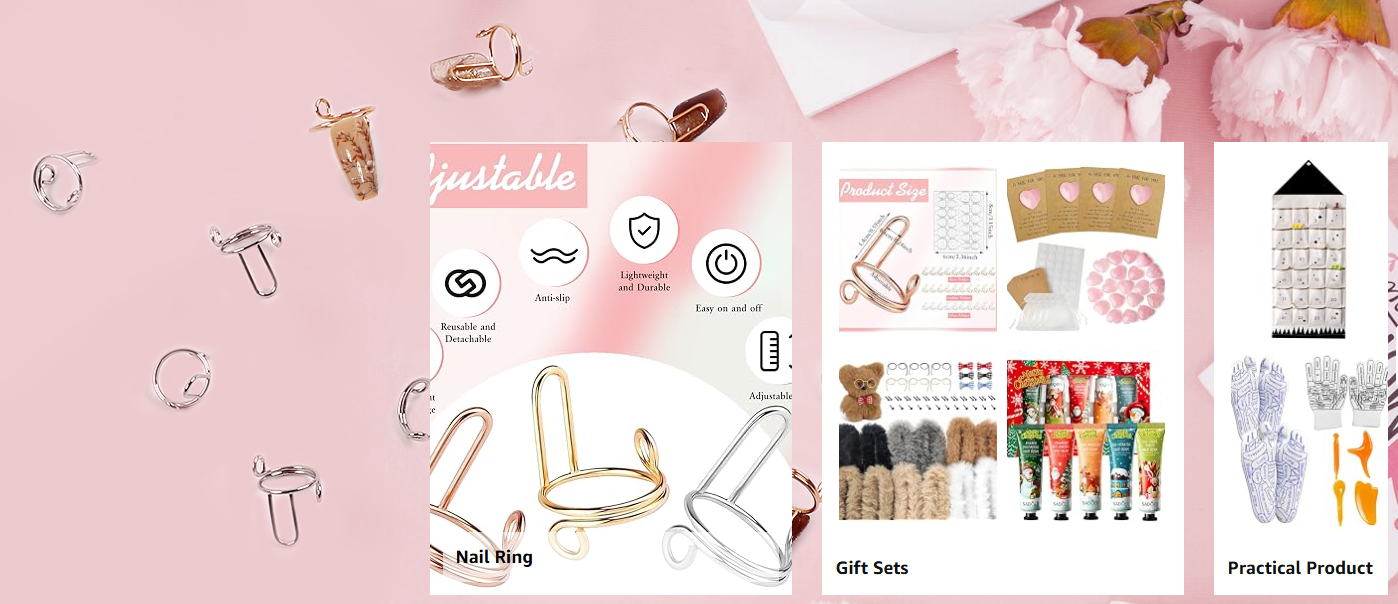
Wudu nail rings are miniature rings or clips worn on the fingertips or around the nail area. They are often made from stainless steel, gold-tone metal, silver-tone metal, or skin-friendly alloys. Some designs resemble tiny crowns, while others are minimal bands, crescent shapes, or delicate geometric accents. Their purpose is not to replace manicures entirely, but to add shine and personality without covering the entire nail surface.
The phrase “nail rings for wudu” describes a similar idea: jewelry-inspired pieces that can be worn while maintaining the conditions many Muslims observe for valid ablution. Because water must flow over the skin and nails, any accessory that creates an impermeable layer can be a concern. Well-designed wudu nail rings avoid that problem by leaving the nail exposed or by being removable before wudu.
How They Differ from Traditional Nail Polish
Traditional nail polish forms a film over the nail. Many scholars advise removing it before wudu because water may not reach the nail beneath. Gel extensions, acrylics, and long-lasting lacquers can make the issue more complicated. Wudu nail rings take another route. They decorate the finger without pretending to be polish. They can be slipped off quickly, cleaned, and worn again after prayer.
This distinction matters. A product should never be treated as a loophole that ignores religious requirements. Instead, it should support mindful practice. If you are unsure whether a specific accessory is permissible in your school of thought, consult a knowledgeable scholar. The role of a wudu nail ring is to offer convenience and beauty, not to issue a ruling.
Why Nail Rings for Wudu Are Gaining Attention
Social media has helped niche accessories find global audiences. Muslim women are sharing modest fashion ideas, prayer-room essentials, and elegant ways to express identity. Nail rings fit naturally into that movement. They are small enough to be subtle, but detailed enough to catch the light. They can be worn to work, weddings, Eid gatherings, or quiet mornings at home.
Another reason for their popularity is practicality. Reusable nail rings do not require drying time, UV lamps, or harsh removers. They do not chip after a day of typing, cooking, or washing dishes. For people who love the look of decorated nails but dislike the maintenance of polish, they can be a refreshing alternative.
Design Details That Matter
- Open structure: Allows water to reach the nail and surrounding skin when worn appropriately.
- Adjustable fit: Helps prevent slipping without squeezing the fingertip.
- Smooth edges: Reduces snagging on hijab fabric, clothing, or hair.
- Lightweight metal: Keeps the hand comfortable during daily tasks.
- Easy removal: Supports quick preparation for wudu and prayer.
When shopping, look for clear product descriptions. A trustworthy seller will explain materials, sizing, and care instructions. If a product claims to make wudu valid without any effort, treat that claim with caution. Personal responsibility and religious guidance still matter.
Wudu Nail Covers: Practical or Problematic?
Wudu nail covers are another category that appears in searches. These may be temporary covers intended to protect nail art or keep water away from certain designs. However, the name can be misleading. If a cover blocks water from reaching the nail, it may defeat the purpose of wudu. A cover that is permeable, open, or removed before ablution is a different matter.
For this reason, many women prefer rings and clips that do not hide the nail completely. They want decoration that cooperates with wudu rather than concealing the nail from water. The safest approach is simple: wear the accessory as jewelry, remove it for wudu when needed, and ensure the nail is fully washed.
Beauty does not have to compete with faith. With thoughtful design, it can become a small daily reminder of intention, care, and balance.
Choosing the Right Pair
Start with fit. Nail rings should feel secure but never painful. Measure your fingertip or nail width, and check the seller’s size guide. If you are between sizes, adjustable designs are usually more forgiving. Next, consider finish. Gold-tone rings pair well with warm jewelry; silver-tone and steel styles suit cooler palettes. Matte finishes look modern, while polished finishes feel classic.
Think about your lifestyle too. If you work with your hands, choose low-profile rings that will not catch on keyboards or tools. If you wear gloves, avoid bulky shapes. If you pray frequently, test how quickly you can remove and store the rings. A small pouch or pillbox can keep them safe during wudu.
Style, Comfort, and Intention
Nail rings can be styled with rings on other fingers, simple bracelets, or a single statement piece. Some women wear one accent ring; others create a subtle set across several fingers. The key is comfort. If an accessory distracts you during prayer or daily tasks, it is not serving you. The best piece is the one you forget you are wearing—until you catch a glimpse of it and smile.
Care and Reusability
To keep wudu nail rings looking fresh, clean them regularly with mild soap and warm water. Dry them thoroughly to prevent water spots or skin irritation. Avoid harsh chemicals, perfumes, and abrasive cloths, especially on plated metals. Store them in a dry place, away from direct sunlight. With gentle care, a good set can last for many months.
Reusability also makes them an economical choice. Instead of paying for repeated manicures, you can build a small collection of rings for different moods. Swap them for seasons, outfits, or occasions. Because they are removable, they offer flexibility that permanent nail enhancements cannot match.
Final Thoughts
Wudu nail rings are not a replacement for religious knowledge, nor are they a shortcut around wudu. They are accessories for women who want to honor their faith while enjoying elegant details. When chosen carefully, they can add shine without blocking water, and they can be removed easily when needed. For anyone exploring nail rings for wudu, the wisest path is to combine beautiful design with informed personal practice.
Whether you call them wudu nail rings, nail rings for wudu, or wudu nail covers, the goal is the same: a thoughtful balance of style, comfort, and spiritual care. Wear them with intention, remove them when necessary, and let your accessories reflect both your taste and your values.